
• HOME
  • ABOUT US
  • NEWS
    • NEWS
    • ARTICLES / EVENTS
  • PUBLICATIONS
    • ENGLISH
      • LATEST ISSUE
      • ADVERTISE WITH US
      • SUBSCRIBE NOW
    • BOOKS
      • DEMYSTIFYING RETAIL
  • BUSINESS DELEGATIONS
  • DESIGN GALLERY
  • UPCOMING EXHIBITIONS
    • DOMESTIC
    • OVERSEAS
  • DIRECTORY
    • MANUFACTURER LIST
    • RETAILERS LIST
  • CONTACT US
 

Gold Jewellery Can Pass Purity Tests and Still Contain Less Gold, Probe Finds

20-11-2026   02:10 PM

Gold jewellery may pass conventional purity tests and receive a 22-carat hallmark despite containing significantly less actual gold. A recent investigation by Dainik Bhaskar in Rajasthan has exposed a suspected adulteration method in which rhenium powder is mixed with gold to increase its weight without being detected by routine testing methods.

The findings have raised concerns about the reliability of conventional gold-testing machines and hallmarking procedures, particularly after the adulterated jewellery reportedly passed multiple purity checks and received a 22-carat hallmark.

To test the method, the investigation team worked with a local jeweller in Jodhpur to examine how rhenium could be mixed with gold without being detected during routine purity checks.

Investigators mixed 1 gram of rhenium powder with 7.830 grams of 24-carat gold to make a traditional Rajasthani ornament. After adding 0.75 grams of alloying metal, the finished jewellery weighed 9.580 grams.

The ornament was tested at multiple centres and showrooms in Jodhpur. A hallmarking centre reportedly issued it a 92K916 mark, indicating 22-carat purity.

A jewellery showroom's testing machine reported 93.70% gold, 5.39% silver and 0.90% copper, without detecting rhenium. Another branded showroom also reportedly certified it as 22-carat gold.

However, calculations based on the original quantity of gold used revealed that the finished ornament contained only around 81.7% actual gold, equivalent to approximately 20-carat purity. This meant the jewellery reportedly passed purity checks despite having a considerably lower gold content than declared.

According to Dainik Bhaskar's estimate, this adulteration could result in a loss of around Rs 14,700 per tola (approximately 11.66 grams) for buyers, assuming a gold price of Rs 1.5 lakh. Since customers pay for jewellery based on its declared purity and total weight, they could end up paying for significantly more gold than the ornament actually contains.

The investigation follows concerns raised by jewellery traders about the use of heavy metals to artificially increase the weight of gold. The report also traced the suspected supply chain to Shenzhen, China, where the investigation team contacted an agent who claimed that his company manufactured rhenium powder for mixing with gold.

The agent reportedly claimed that the powder could be mixed with gold without being detected by conventional testing methods. He also claimed to have dealers in several Indian cities.

The investigation team subsequently arranged for a 1-gram sample through a Mumbai-based agent, reportedly paying Rs 5,000 for the powder and Rs 300 in courier charges.

Rhenium is a rare, heavy metal used in industrial applications. Its density is approximately 21 grams per cubic centimetre, compared with around 19.3 grams per cubic centimetre for pure gold. This makes it possible to increase the weight of jewellery without significantly changing the overall density of the mixture.

Conventional testing methods, such as acid and touchstone tests, may fail to identify the presence of such foreign metals. More advanced techniques, including detailed X-ray fluorescence (XRF) analysis and electron microscopy, may help identify foreign elements. However, their ability to detect adulterants depends on the equipment, calibration and testing method used.

An earlier report by Mint highlighted complaints from jewellery artisans in Indore's Sarafa market, where traders reported suspected adulteration involving metals such as ruthenium, iridium and osmium.

According to the report, these metals have a higher density than gold and can increase the weight of jewellery while potentially escaping conventional acid and touchstone tests.

The material, reportedly known in some trading circles as 'gold powder', is suspected to enter Indian markets through Maharashtra and West Bengal. There are also suspicions that it may be manufactured in China, although its origin has not been independently established.

Gold Jewellery Can Pass Purity Tests and Still Contain Less Gold, Probe Finds

Gold jewellery may pass conventional purity tests and receive a 22-carat hallmark despite containing significantly less actual gold. A recent investigation by Dainik Bhaskar in Rajasthan has exposed a suspected adulteration method in which rhenium powder is mixed with gold to increase its weight without being detected by routine testing methods.

The findings have raised concerns about the reliability of conventional gold-testing machines and hallmarking procedures, particularly after the adulterated jewellery reportedly passed multiple purity checks and received a 22-carat hallmark.

To test the method, the investigation team worked with a local jeweller in Jodhpur to examine how rhenium could be mixed with gold without being detected during routine purity checks.

Investigators mixed 1 gram of rhenium powder with 7.830 grams of 24-carat gold to make a traditional Rajasthani ornament. After adding 0.75 grams of alloying metal, the finished jewellery weighed 9.580 grams.

The ornament was tested at multiple centres and showrooms in Jodhpur. A hallmarking centre reportedly issued it a 92K916 mark, indicating 22-carat purity.

A jewellery showroom's testing machine reported 93.70% gold, 5.39% silver and 0.90% copper, without detecting rhenium. Another branded showroom also reportedly certified it as 22-carat gold.

However, calculations based on the original quantity of gold used revealed that the finished ornament contained only around 81.7% actual gold, equivalent to approximately 20-carat purity. This meant the jewellery reportedly passed purity checks despite having a considerably lower gold content than declared.

According to Dainik Bhaskar's estimate, this adulteration could result in a loss of around Rs 14,700 per tola (approximately 11.66 grams) for buyers, assuming a gold price of Rs 1.5 lakh. Since customers pay for jewellery based on its declared purity and total weight, they could end up paying for significantly more gold than the ornament actually contains.

The investigation follows concerns raised by jewellery traders about the use of heavy metals to artificially increase the weight of gold. The report also traced the suspected supply chain to Shenzhen, China, where the investigation team contacted an agent who claimed that his company manufactured rhenium powder for mixing with gold.

The agent reportedly claimed that the powder could be mixed with gold without being detected by conventional testing methods. He also claimed to have dealers in several Indian cities.

The investigation team subsequently arranged for a 1-gram sample through a Mumbai-based agent, reportedly paying Rs 5,000 for the powder and Rs 300 in courier charges.

Rhenium is a rare, heavy metal used in industrial applications. Its density is approximately 21 grams per cubic centimetre, compared with around 19.3 grams per cubic centimetre for pure gold. This makes it possible to increase the weight of jewellery without significantly changing the overall density of the mixture.

Conventional testing methods, such as acid and touchstone tests, may fail to identify the presence of such foreign metals. More advanced techniques, including detailed X-ray fluorescence (XRF) analysis and electron microscopy, may help identify foreign elements. However, their ability to detect adulterants depends on the equipment, calibration and testing method used.

An earlier report by Mint highlighted complaints from jewellery artisans in Indore's Sarafa market, where traders reported suspected adulteration involving metals such as ruthenium, iridium and osmium.

According to the report, these metals have a higher density than gold and can increase the weight of jewellery while potentially escaping conventional acid and touchstone tests.

The material, reportedly known in some trading circles as 'gold powder', is suspected to enter Indian markets through Maharashtra and West Bengal. There are also suspicions that it may be manufactured in China, although its origin has not been independently established.

Courtesy: NDTV Profit

Share : 

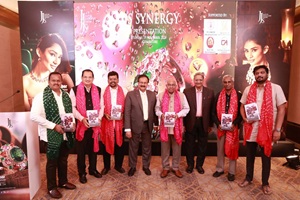
JJS Synergy 2026 draws strong turnout in Coimbatore

20-11-2026   2:20 PM

The Jaipur Jewellery Show (JJS) held its "JJS Synergy 2026” roadshow and presentation in Coimbatore today, 19 November. The event brought together industry leaders and leading jewellery retailers, manufacturers...

Read More

GJC Reassures Industry and Consumers; Calls for Vigilance Amid Reports of Suspected Gold Adulteration Materials

20-11-2026   2:15 PM

All India Gem and Jewellery Domestic Council (GJC), the apex body representing the Indian gems and jewellery trade, has urged the industry and consumers to remain vigilant but not panic amid recent media reports...

Read More

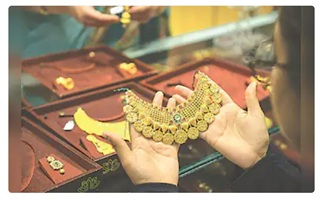
Titan, Kalyan Jewellers slide as gold heads for worst year since 2013

20-11-2026   2:05 PM

Shares of gold-centric businesses fell on Wednesday tracking a decline in international gold and silver prices amid a strengthening US dollar and expectations of further interest rate hikes by the US Federal...

Read More

GJEPC reaffirms India’s commitment to Natural Diamond promotion at Luanda Accord 3.0 Ministerial Meeting

18-11-2026   2:20 PM

The Gem & Jewellery Export Promotion Council (GJEPC) highlighted India’s commitment to the global promotion of natural diamonds at the Luanda Accord 3.0 Ministerial Meeting, held in Luanda, Angola, on 5 November...

Read More

IAGES doubles accredited partner store front to 1,000+ across 260 cities

18-11-2026   2:15 PM

The Indian Association for Gold Excellence and Standards (IAGES) has crossed the 1,000+ accredited partner stores milestone marking its presence in 260+ cities across India. In May this year, IAGES had 500+...

Read More

Design Gallery

Videos

View More Videos
  
AOJ exclusive ..
  
AOJ exclusive ..
  
Bhima Jewellery launched ..
  
AOJ Exclusive Interview ..

UPCOMING DOMESTIC EVENTS

View More

UPCOMING OVERSEAS EVENTS

View More

FOLLOW US ON

October 2026

English Edition

Subscribe Now Print Edition
Subscribe Now Digital Edition

© 2026 AOJ Media Pvt Ltd - All Rights Reserved. | Developed by Creed Global Tech.    T & C   Privacy Policy 

Top